


Silicone PSAs (pressure-sensitive adhesives), high-temperature acrylic transfer tapes, and specialty single-sided tapes, such as PTFE-backed adhesives, maintain adhesion, dielectric isolation, and mechanical stability in heat-intensive power and industrial systems.
Read More
Kiss-cut pressure-sensitive adhesive (PSA) components improve productivity and placement accuracy while reducing assembly scrap in high-volume automated assembly.
Read More
As data centers continue to increase computing density, cooling equipment is working harder than ever before. Higher airflow rates, larger fan arrays, increased pump capacity, and more aggressive heat-rejection strategies are helping operators manage thermal loads, but they also create a growing challenge: noise, vibration, and harshness (NVH).
Read More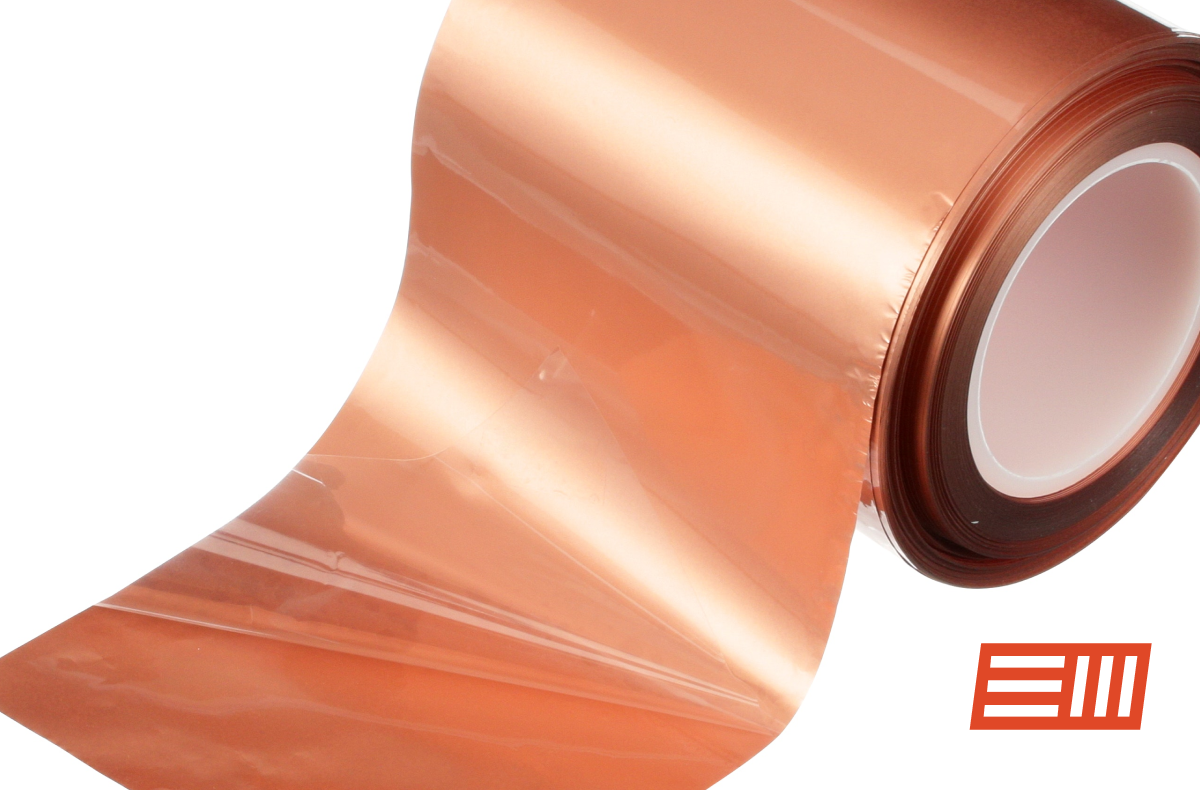
Graphite sheets, aluminum foil laminates, and PSA-backed metalized films improve planar heat spreading in electronics where thermal energy must be redistributed, not merely conducted.
Read More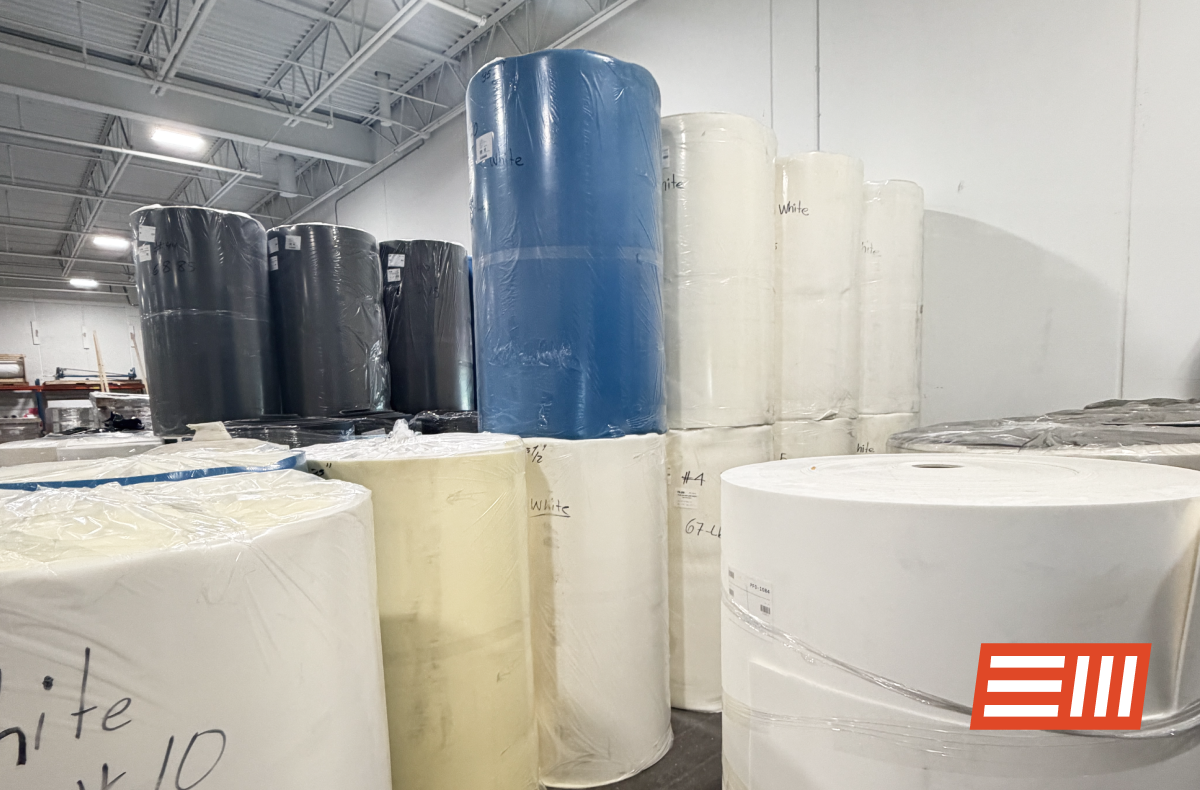
Vibration is one of the most persistent causes of premature component failure. Left unmanaged, it loosens fasteners, accelerates fatigue, generates noise, and shortens equipment service life. The foam material between components determines whether that energy gets absorbed, isolated, or transmitted deeper into the assembly.
Read More
Many gasket failures do not begin with obvious leakage. Instead, they begin with gradual changes in material behavior that are difficult to detect during early prototype testing.
Read More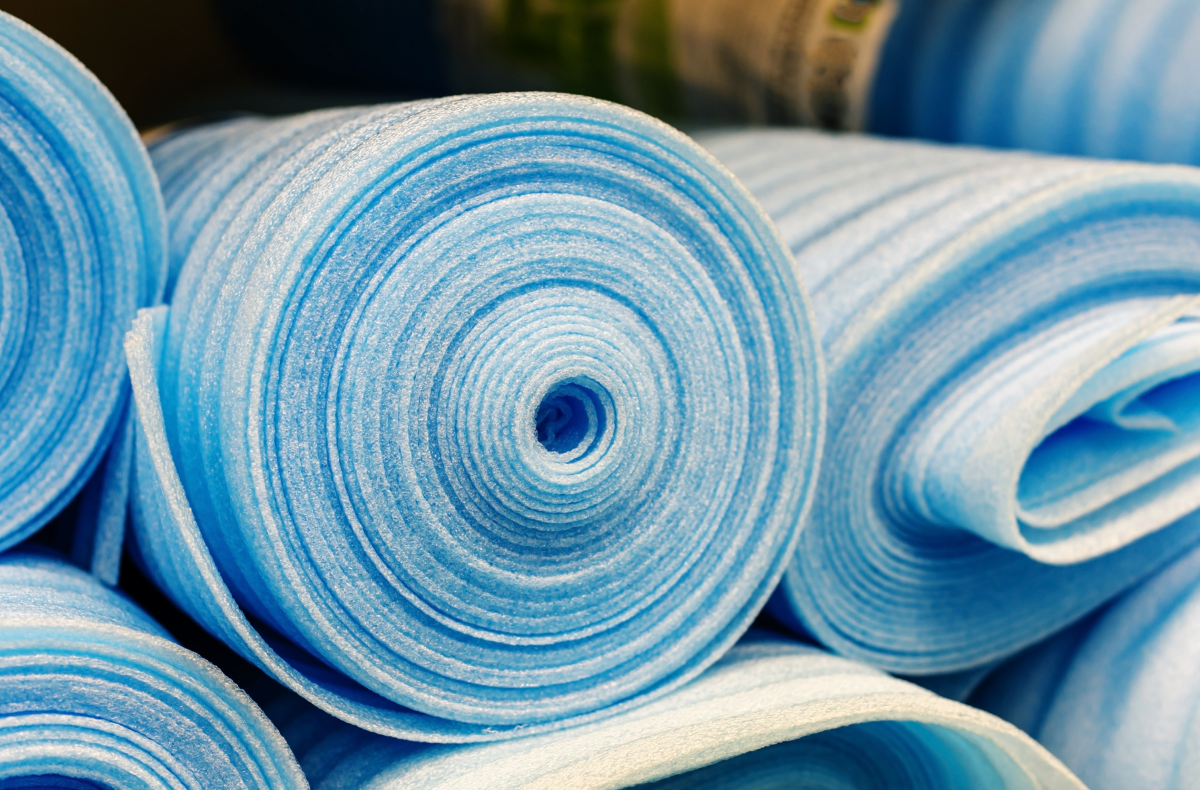
Seals and cushioning pads that pass qualification testing can still fail in the field. Compression set, creep, and shear drift each degrade long-term sealing and cushioning performance through different mechanisms, and none of them appear in standard short-term qualification testing
Read More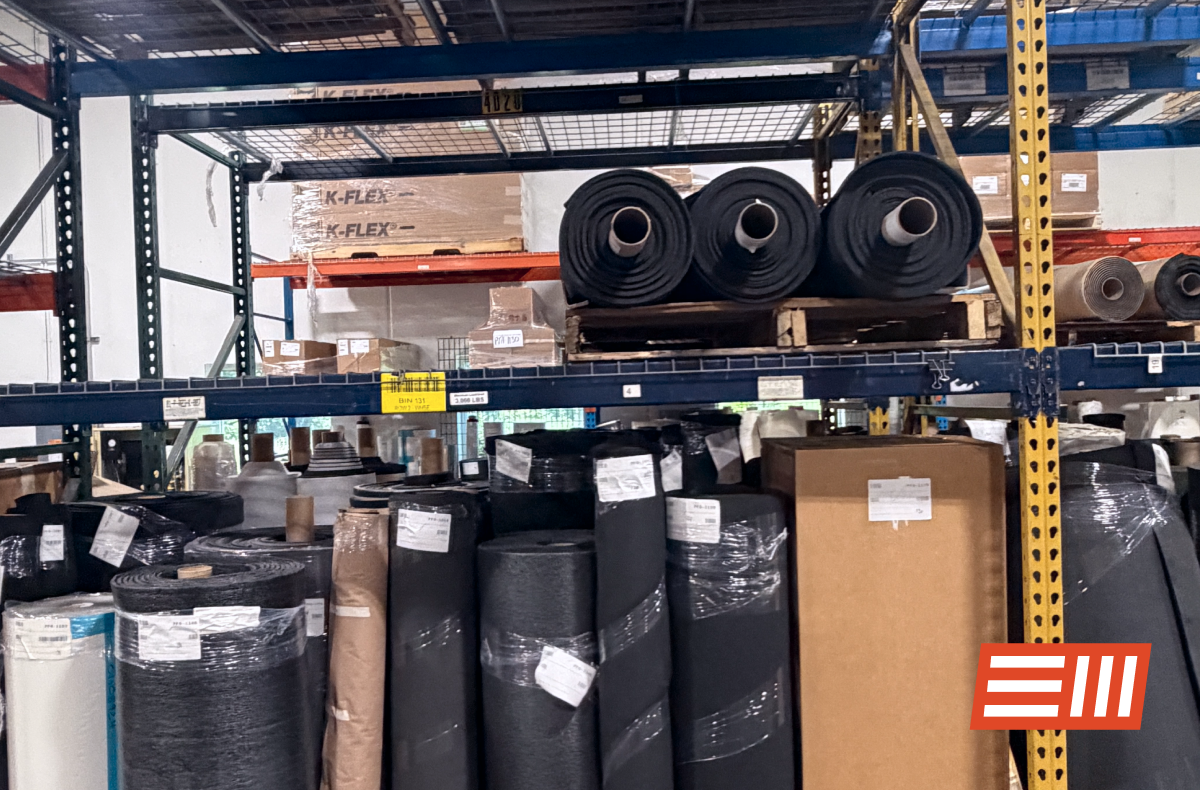
Foam outgassing affects more sealed assemblies than most engineers account for during material selection. Silicone foam, polyurethane foam, polyethylene foam, neoprene foam, PVC foam, EPDM foam, vinyl nitrile foam, and silicone sponge each release volatile compounds at different rates when exposed to heat, pressure change, and thermal cycling.
Read More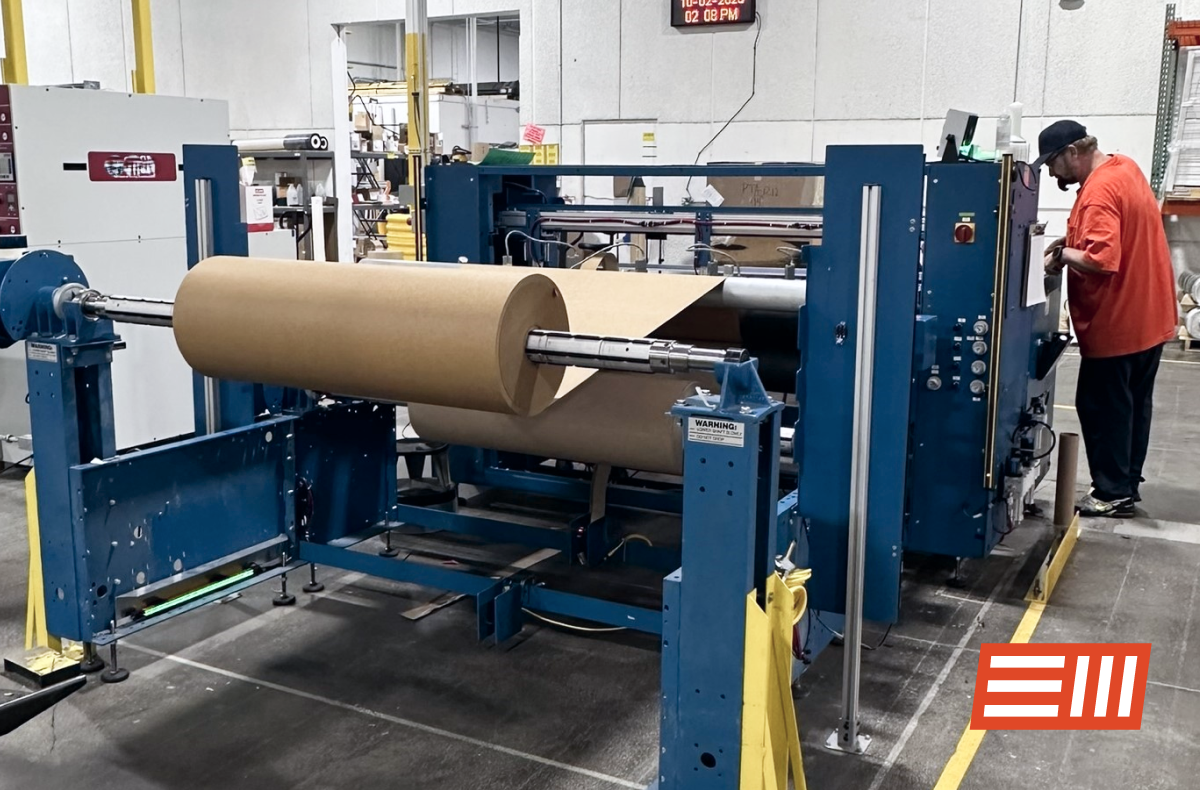
Thermal protection in enclosed systems fail at the extremes. When insulation cannot survive the operating temperature, heat migrates into adjacent components, parts lose integrity, and fire resistance margins erode - often before any visible sign of failure appears.
Read More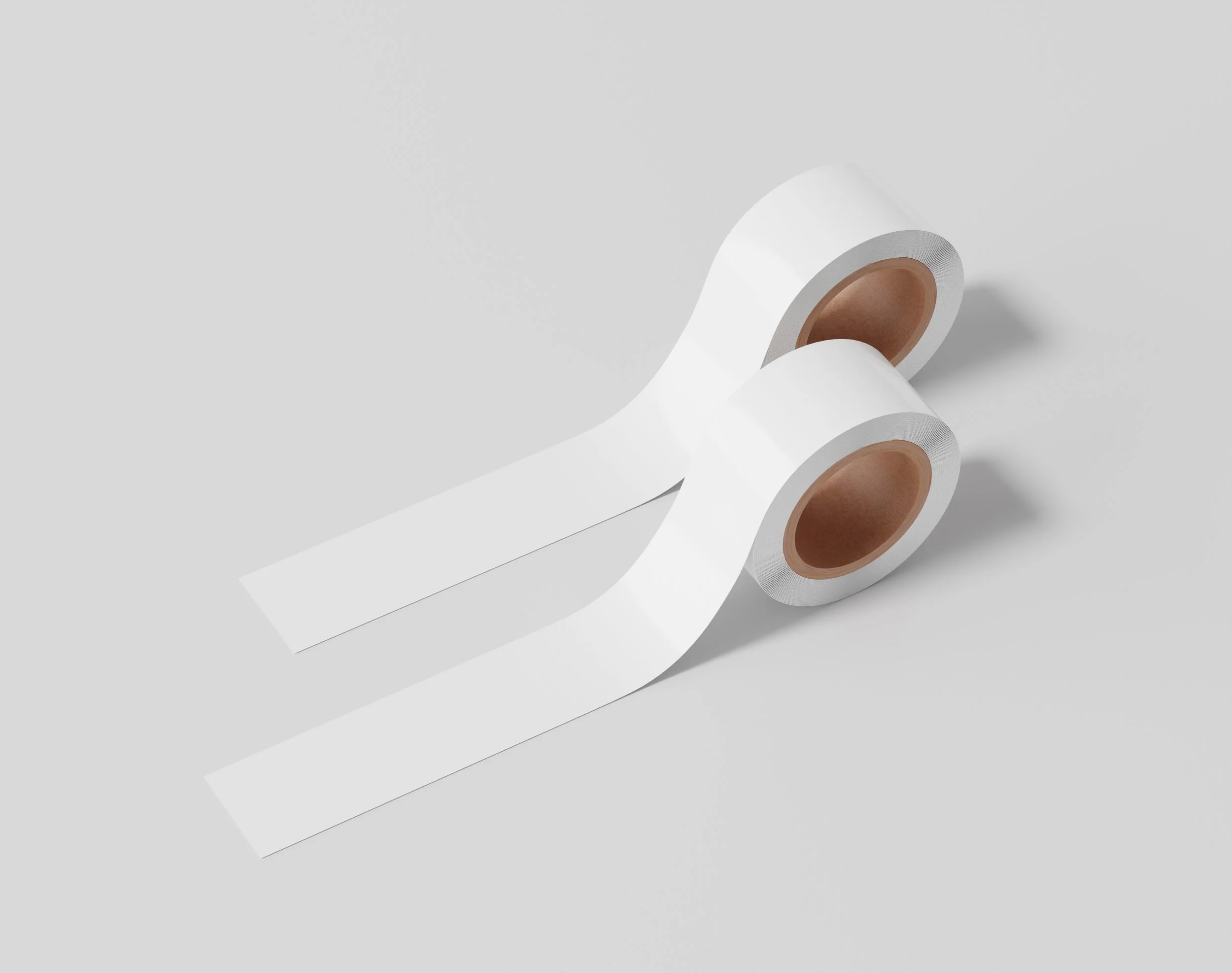
Surface damage often occurs before products reach the customer. Scratches, coating damage, abrasion from fixture contact, and installation marks are common failure modes that erode finish quality and create costly rework. Ultra-high molecular weight polyethylene (UHMW) tape is used as a sacrificial protective surface at tooling contacts, fixture interfaces, and assembly points to absorb that damage before it reaches the component. Applied correctly, UHMW tape preserves component finish and surface condition from production through installation.
Read More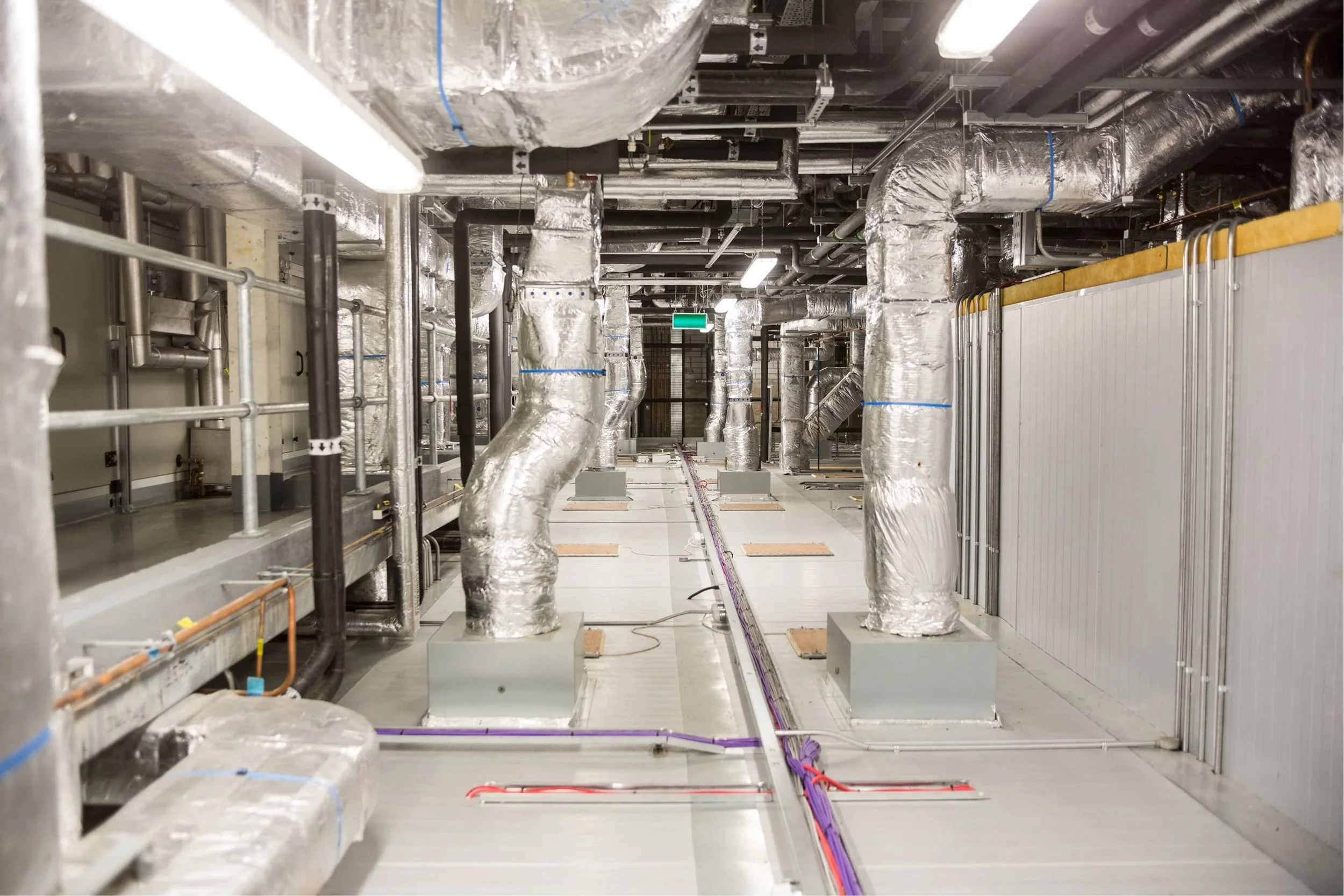
In data center cooling systems , insulation failure is not primarily a thermal problem—it is a moisture control failure. Chilled water lines routinely operate below ambient dew point, meaning any discontinuity in the vapor barrier allows moisture to condense on pipe surfaces.
Read More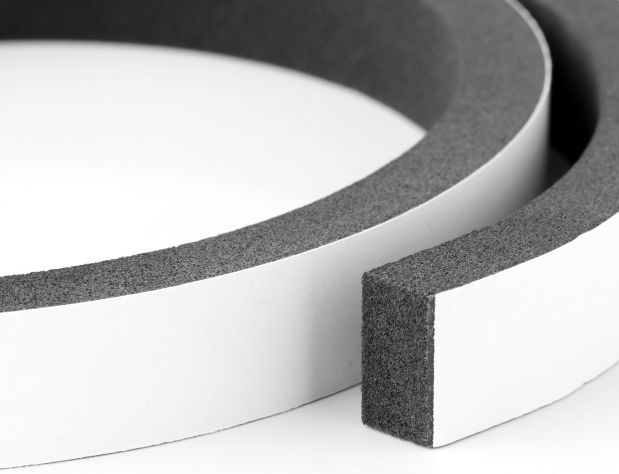
Design for manufacturability (DFM) for pressure sensitive adhesives (PSA) foam parts is the process of engineering adhesive systems so they can be consistently converted, applied, and perform under real production conditions without introducing variability, downtime, or long-term failure modes.
Read More
Bonded assemblies in industrial, electronic, transportation, and aerospace environments experience sustained heat, thermal cycling, and mechanical movement. Failure in conventional adhesive systems under these conditions typically presents as creep deformation, edge lift, adhesive softening, cohesive split within the adhesive layer, or interfacial failure at the substrate interface. In regulated industries, these failures can result in electrical insulation loss, moisture intrusion, NVH degradation, or non-compliance with fire and flammability standards — all of which carry warranty, safety, and liability implications for the design engineer. In these conditions, a pressure sensitive adhesive must maintain bond strength not only at room temperature but across the full-service envelope of the assembly.
Read More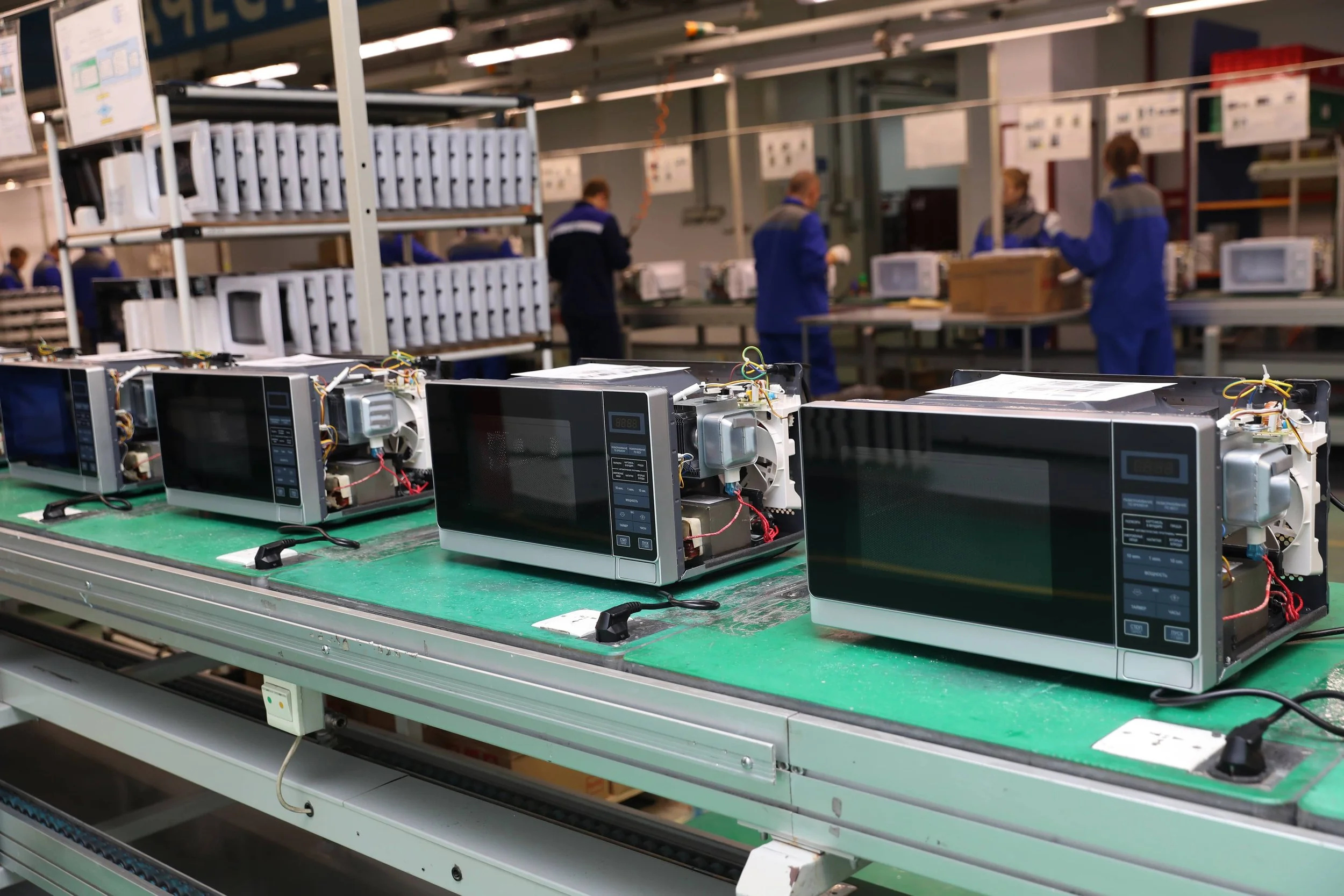
Electronics operating in harsh environments face sustained heat, electrical load, vibration, and mechanical stress. In these conditions, insulation materials must do more than withstand temperature. They must preserve dielectric strength, maintain electrical resistance, and protect voltage separation as conditions fluctuate.
Read More
Aluminum foil tape is commonly specified across HVAC systems, appliance manufacturing, data centers, transportation, aerospace, and broader industrial applications for thermal management, air sealing, vapor control, vapor barriers, and EMI/RFI shielding. In many industrial environments, it serves as both a sealing system and a conductive barrier.
Read More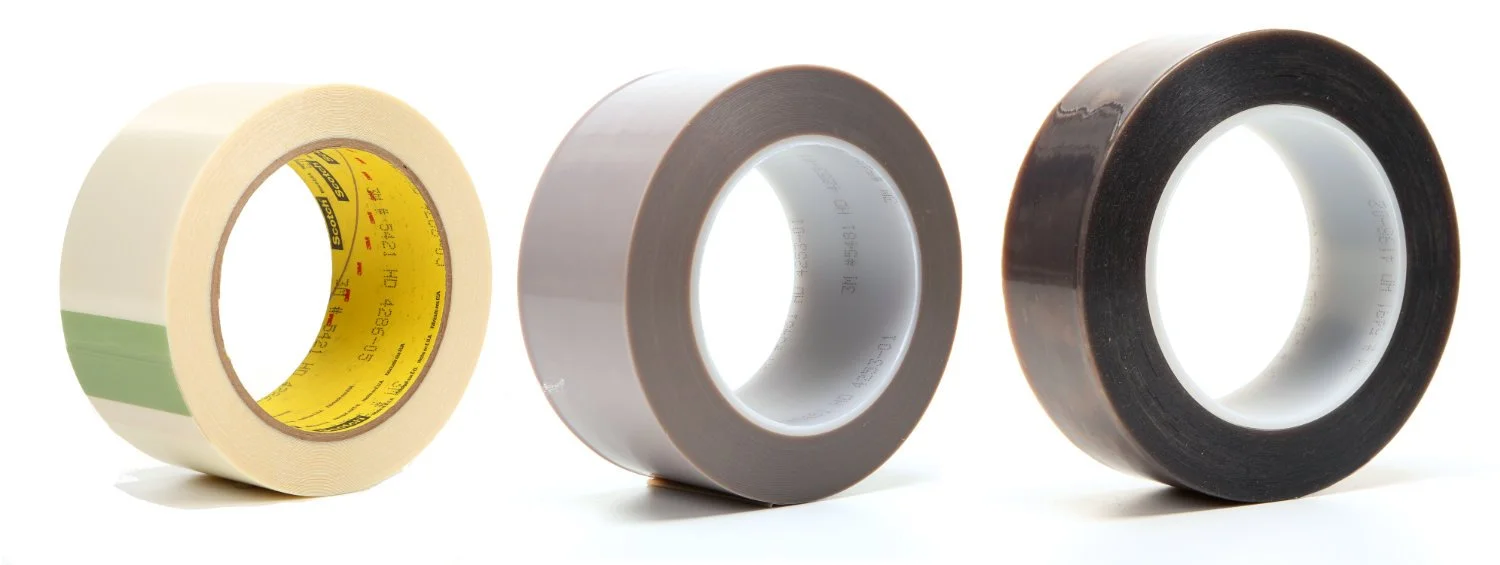
While both UHMW and PTFE tapes are used to reduce friction and wear, their material properties differ in ways that influence durability, operating temperature range, and application suitability.
Read More
Tight-tolerance pressure-sensitive adhesive components play a critical role in performance-driven assemblies where accuracy, repeatability, and consistency directly affect product outcomes.
Read More
